
Loan Guides
FHA 203(k) Renovation Loans in Florida: Buy a Fixer-Upper and Finance the Repairs
Learn how an FHA 203(k) renovation loan can help Florida homebuyers finance a home purchase and eligible repairs with one mortgage, including the latest 2026 updates.
Published August 27, 2026
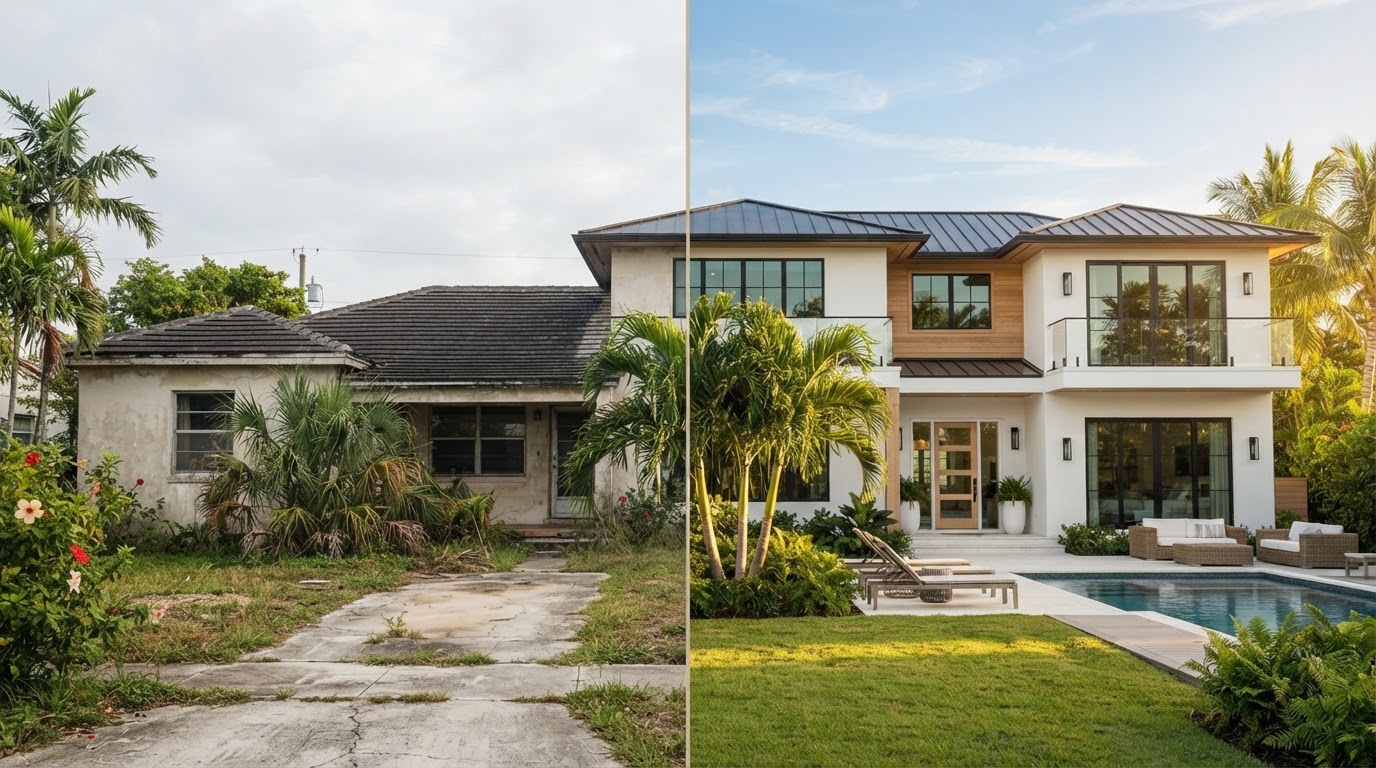
An FHA 203(k) renovation loan can allow an eligible Florida homebuyer to finance both the purchase of a home and qualifying renovation costs in one FHA-insured mortgage. The Limited 203(k) currently permits up to $75,000 in rehabilitation costs, while the Standard 203(k) is designed for larger or structural renovations. FHA also recently expanded Limited 203(k) contractor draw flexibility from two draws to four.
What is an FHA 203(k) loan?
Most traditional mortgages are designed to finance a property in its current condition.
That can create a problem when a buyer finds a home they love but the property needs significant improvements.
A kitchen may be outdated. The flooring may need replacement. The electrical or plumbing systems may require upgrades. Or the property may simply need enough work that the buyer doesn't want to pay for the renovations entirely out of pocket after closing.
The FHA Section 203(k) Rehabilitation Mortgage Insurance Program was designed for situations like these.
Instead of obtaining one mortgage to purchase the property and then trying to obtain separate financing for the improvements, an FHA 203(k) mortgage can combine the acquisition or refinance and eligible rehabilitation costs into a single loan.
A portion of the loan proceeds is used for the real estate transaction, while the renovation funds are generally held in a rehabilitation escrow account and released as work is completed.
For the right borrower and property, that can create opportunities that a traditional FHA or conventional mortgage may not provide.
There are two different FHA 203(k) programs
The first thing buyers should understand is that "203(k)" doesn't mean one single renovation program. FHA offers both a Limited 203(k) and Standard 203(k).
Limited FHA 203(k)
The Limited 203(k) is generally designed for smaller, non-structural repairs and improvements. Under current HUD guidelines, it allows up to $75,000 in rehabilitation costs.
Examples can include eligible projects such as:
- kitchen remodeling;
- flooring replacement;
- painting;
- certain bathroom renovations;
- roofing or mechanical-system work;
- repairs identified by the home inspector or FHA appraiser; and
- other eligible non-structural improvements.
The actual scope must meet FHA and lender requirements.
Standard FHA 203(k)
The Standard 203(k) is intended for larger rehabilitation projects and can accommodate structural renovation work. HUD says Standard 203(k) rehabilitation costs must generally be at least $5,000, while the total mortgage still must comply with the applicable FHA mortgage limit.
The Standard program typically involves an FHA-approved 203(k) consultant who plays a role in preparing and managing the renovation scope.
That means buyers shouldn't decide between Limited and Standard based only on the project's price. The type of work matters as well.
A major 2026 improvement: contractors can receive more draws
One of FHA's latest changes makes the Limited 203(k) potentially easier for contractors to work with.
Previously, FHA generally permitted a maximum of two draw requests per contractor under the Limited 203(k). Mortgagee Letter 2026-06 increased that maximum to four draw requests per contractor, effective immediately on June 23, 2026.
Why does that matter?
Contractors don't always want to complete an entire renovation before receiving another payment. A project may involve demolition, rough construction, installation, and finishing work. Being able to structure up to four contractor draws can make the cash-flow process more practical during a rehabilitation project.
It does not mean four draws are automatically required or that a contractor is paid in advance regardless of completed work. The lender still controls disbursement according to FHA and lender requirements.
The Limited 203(k) renovation cap is now $75,000
Another important improvement happened before the most recent draw update. FHA increased the maximum rehabilitation amount for the Limited 203(k) from $35,000 to $75,000 nationwide.
That is a meaningful difference. A $35,000 repair budget can disappear very quickly when you're dealing with South Florida labor, materials, roofing, kitchens, bathrooms and mechanical upgrades.
A $75,000 limit gives buyers significantly more room to address a property's condition without automatically moving into the Standard 203(k) program. Again, the improvements still need to meet Limited 203(k) eligibility requirements.
Buyers also receive more time to finish renovations
FHA previously allowed a shorter renovation timeframe. Current guidelines allow up to:
- Nine months for a Limited 203(k)
- 12 months for a Standard 203(k)
That flexibility is important because renovation schedules rarely operate perfectly. Permits can take longer than expected. Materials can be delayed. Contractors can experience scheduling issues. And Florida weather can disrupt exterior work.
More time doesn't eliminate those risks, but it provides a more realistic framework for completing qualifying projects.
What types of properties can qualify?
HUD currently identifies several eligible property types for the 203(k) program, including:
- one-unit single-family homes;
- eligible two-to-four-unit properties;
- townhomes;
- certain condominium units;
- certain manufactured homes titled as real estate;
- HUD-owned homes;
- properties with eligible accessory dwelling units; and
- certain mixed-use properties that remain primarily residential.
There are detailed rules for each property type. For example, condominium renovations are generally limited to the interior of the individual unit rather than common areas.
Why I think this program is especially interesting in South Florida
South Florida buyers frequently run into an awkward situation. The home in perfect condition has already been renovated, staged and priced accordingly. Meanwhile, the home with an older kitchen, outdated bathrooms or deferred maintenance may have less buyer competition—but requires money after closing.
For some buyers, the question shouldn't just be: "Can I afford this house?" It should also be: "Could I finance the house and make it the house I actually want?"
That's where renovation financing deserves consideration.
Suppose a buyer finds two comparable homes. One has already been renovated and is listed at a premium. The other needs $40,000–$60,000 of improvements but has a lower asking price. Instead of automatically rejecting the second property, we can evaluate whether a renovation-loan structure makes sense.
That doesn't mean the fixer-upper is always the better deal. It means buyers have another financing tool available.
Can I use a 203(k) loan to remodel a kitchen?
Potentially, yes. HUD specifically identifies improvements such as kitchen remodeling as an example of work that may fit within the Limited 203(k), assuming the project otherwise satisfies program requirements.
Common renovation goals can include cabinets, countertops, flooring, painting, appliances where permitted, electrical upgrades, and plumbing improvements. The exact scope should be reviewed before assuming every improvement will qualify.
What about homes that won't qualify for a normal FHA loan because they need repairs?
This is where 203(k) financing can become particularly valuable. A traditional FHA appraisal may identify conditions requiring repairs. With a standard purchase loan, the seller may have to complete certain required items before closing.
But some sellers—especially estate sellers, investors, banks or owners selling a property as-is—may not want to perform repairs. A 203(k) structure can potentially allow qualifying rehabilitation work to be financed and completed after the purchase closes, subject to program requirements.
That can open up properties buyers might otherwise overlook.
Can I use an FHA 203(k) loan on an investment property?
Generally, FHA mortgages are designed around owner-occupancy requirements, so buyers shouldn't view a 203(k) as a traditional investment-property renovation loan.
However, eligible two-to-four-unit owner-occupied properties can make the strategy especially interesting. A qualified buyer may potentially purchase a small multifamily property, occupy an eligible unit as their primary residence, and finance eligible rehabilitation through FHA. The complete scenario must satisfy FHA occupancy, underwriting, property and renovation requirements.
For investors who do not plan to occupy the property, other renovation or investor-financing products may be more appropriate.
What does the contractor get paid?
The renovation portion of the financing is not typically handed to the borrower as unrestricted cash at closing. Rehabilitation funds are generally managed through an escrow process. Contractors are paid according to the approved work and draw procedures.
The 2026 change allowing up to four draws per contractor under Limited 203(k) provides more flexibility, but the process is still controlled by the lender. Buyers should choose contractors who understand that they are working within a renovation-loan process. That can prevent frustration later.
Does the 203(k) require a large down payment?
An FHA 203(k) remains an FHA-insured mortgage. Borrower eligibility, minimum investment, credit underwriting, mortgage insurance and other FHA requirements apply. The key difference is that the mortgage structure also incorporates the approved rehabilitation component.
Rather than focusing only on the advertised minimum down payment, buyers should look at the complete cash-to-close and monthly-payment picture. That includes purchase price, renovation budget, allowable financed costs, mortgage insurance, closing costs, property taxes, insurance, and applicable reserves.
Are current mortgage rates important?
Yes, but rates shouldn't be evaluated in isolation. As of August 27, 2026, Freddie Mac's weekly Primary Mortgage Market Survey reported the national average 30-year fixed mortgage rate at 6.66%. The 15-year average was 5.98%. These are national survey averages—not an FHA 203(k) quote or a rate available to every borrower.
Your actual rate depends on the lender, program, credit profile, property, loan amount, lock timing and other factors.
For renovation buyers, I would focus on the larger question: What does the total financing strategy allow you to accomplish? A slightly lower rate doesn't necessarily make a fully renovated property the better purchase if the price difference is substantial. Likewise, a fixer-upper isn't automatically a bargain just because renovations can be financed. The numbers need to make sense.
What I would evaluate before recommending a 203(k)
When reviewing a potential renovation purchase, I would start with four questions:
- What work does the property actually need? Separate necessary repairs from cosmetic wish-list items.
- Does the project fit Limited or Standard 203(k)? Cost and scope both matter.
- Does the contractor understand renovation financing? The draw process can be very different from a traditional cash renovation.
- Does the final monthly payment and cash requirement make sense compared with buying a renovated home? The financing strategy has to work economically—not simply technically.
That's where a mortgage consultation becomes much more valuable than looking at a generic online mortgage calculator.
Bottom line
The FHA 203(k) isn't just a loan for homes that are falling apart. It can be a useful strategy for buyers who find the right location and the wrong kitchen, an older property needing modernization, or a home that requires repairs a seller doesn't want to complete.
And recent program changes have made the Limited 203(k) substantially more flexible than many buyers and real estate agents may realize. With up to $75,000 in eligible rehabilitation costs, a longer renovation period, and up to four contractor draws, it's worth evaluating before automatically walking away from a fixer-upper.
Loan approval, renovation eligibility, property eligibility and loan terms are subject to FHA guidelines, lender requirements, underwriting, appraisal and borrower qualification. This article is for educational purposes only and is not a commitment to lend or a guarantee of financing or specific loan terms.
Frequently Asked Questions
How much renovation money can I finance with a Limited FHA 203(k)?▾
Current HUD guidance permits up to $75,000 in rehabilitation costs under the Limited 203(k), subject to program and lender requirements.
How many contractor draws are allowed?▾
As of June 23, 2026, FHA permits up to four draw requests per contractor under the Limited 203(k), increased from the previous maximum of two.
How long do I have to complete the renovation?▾
Current FHA guidance provides up to nine months for a Limited 203(k) and up to 12 months for a Standard 203(k).
Can I renovate a condo with FHA 203(k)?▾
Certain eligible condominium units may qualify. Improvements are generally limited to the interior of the unit, and FHA condominium eligibility requirements still apply.
Can I use FHA 203(k) for structural work?▾
Major rehabilitation and structural projects generally fall under the Standard 203(k) rather than the Limited program.
Can I refinance and renovate with a 203(k)?▾
Yes. HUD states that Section 203(k) may be used in connection with both eligible purchases and refinances involving rehabilitation.
Authoritative Sources
This is not a commitment to lend. All loans are subject to credit approval, property approval, program guidelines, and applicable terms. Programs, rates, terms, and conditions are subject to change without notice. Not all applicants will qualify. Equal Housing Opportunity.
Angel Taipale, NMLS #1736690 — Bright Horizon Lending Inc., NMLS #2565670. Verify on NMLS Consumer Access